
Free-for-All: The Core Mode
Every TNT Arena match is a free-for-all: 2 to 8 players enter a grid arena, and the last one alive wins the round. Bombs blast in a cross along corridors, crates hide power-ups, and alliances are unofficial, temporary, and always end in betrayal. Rounds take 2 to 5 minutes, and the host can launch a rematch with one click, so a session naturally becomes a series with a running score.
Rooms are private by default, so you play with the people who have your room code, whether that's a friend group or your team on a break. Maps are procedurally generated each round in one of three layouts: Mayhem (wild random), Checkered (symmetric grid), and Mirrored (symmetric rings), so even the same arena style never plays the same twice.
The Five Arena Styles
Every arena keeps the free-for-all rules; two of them add a twist to movement or vision, and the rest change what you're looking at.
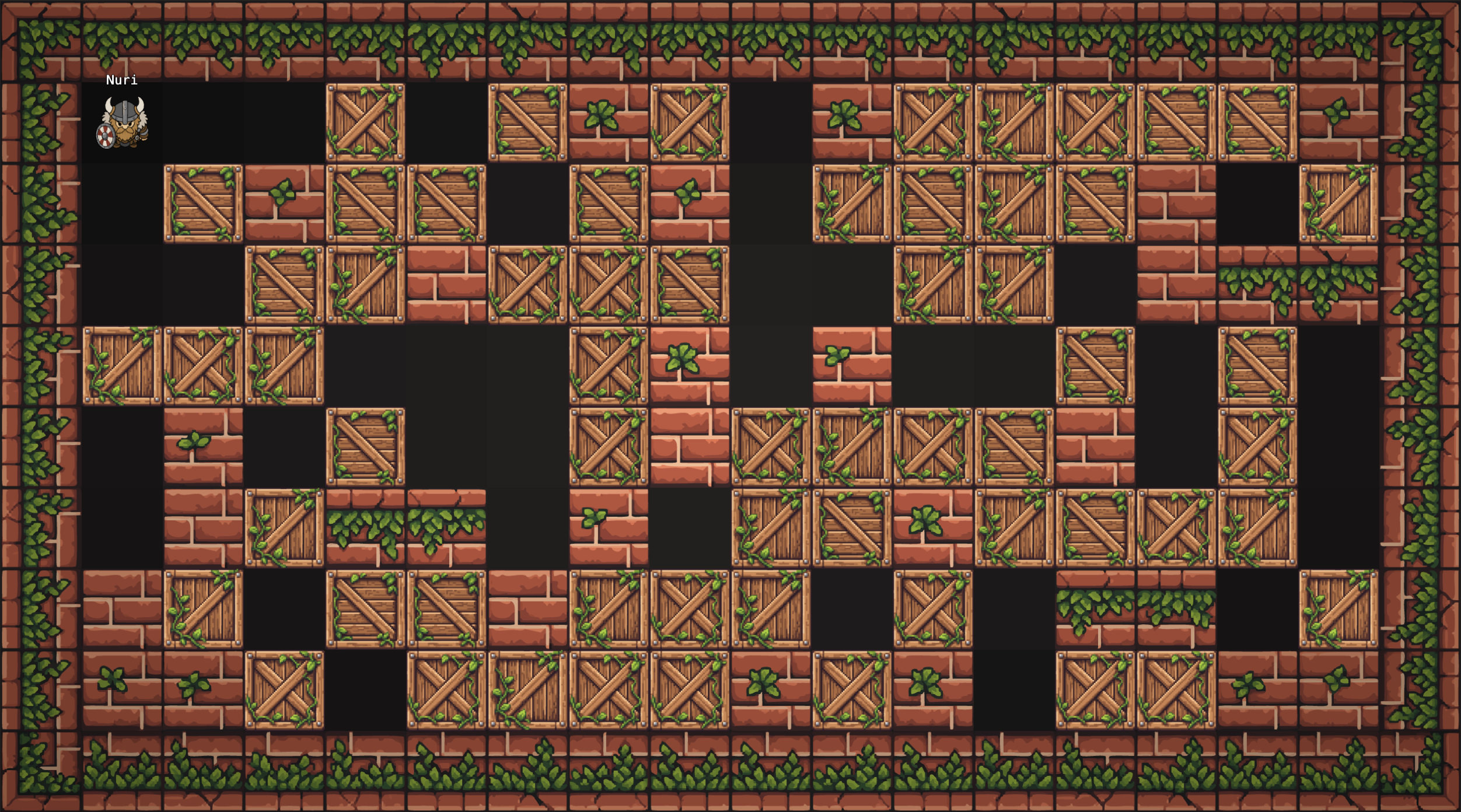
The baseline arena with no gimmicks: full visibility, normal movement, standard bombs. Rules are decided purely by positioning and timing. Average match: 3 to 4 minutes with a full lobby. Best for: first-timers learning the game, and veterans who want fights settled by skill alone.
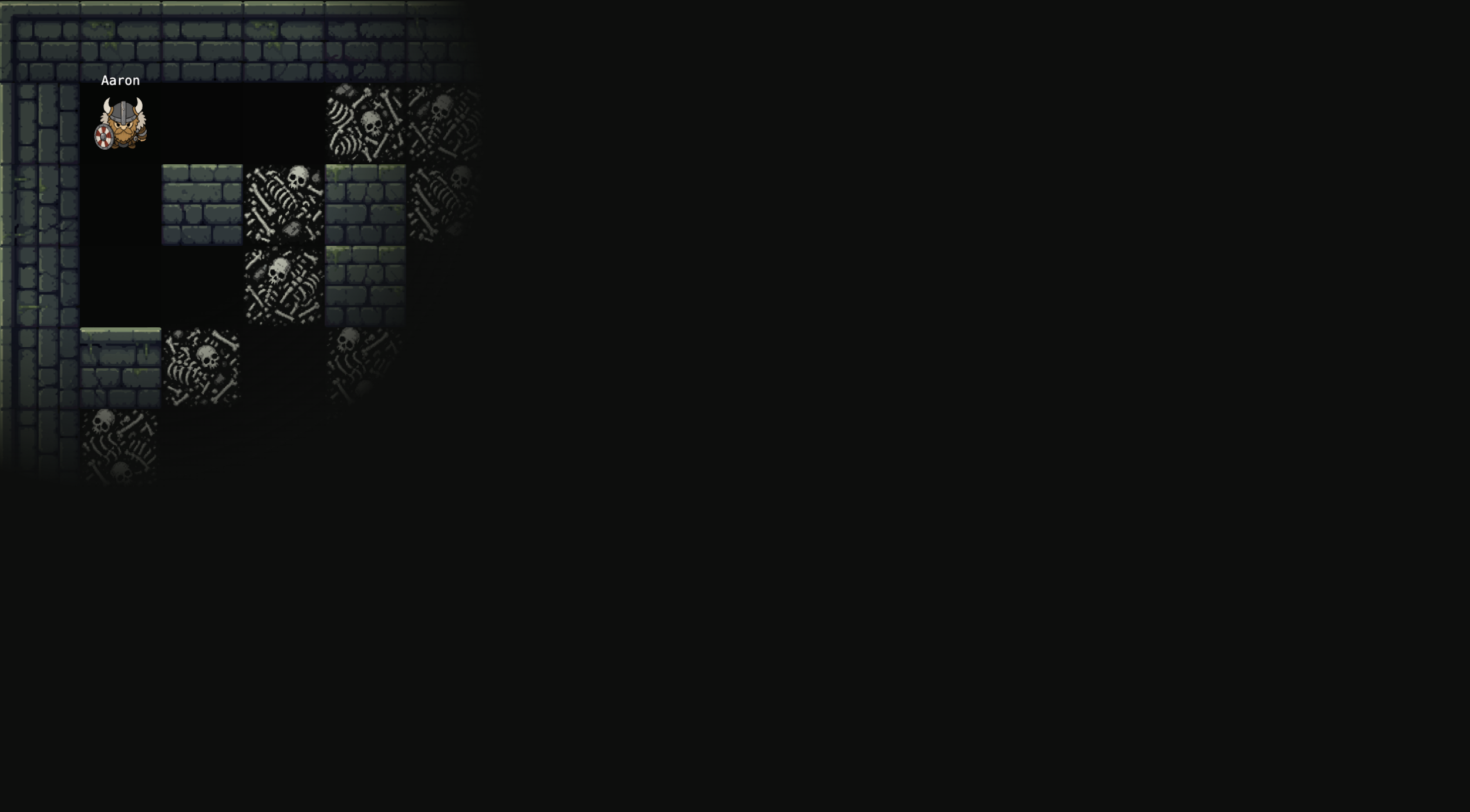
Visibility shrinks to a few tiles around your character. You hear the game more than you see it: blasts flash at the edge of your vision and enemies appear out of the dark. Average match: 4 to 5 minutes, since hunting takes longer. Best for: players who love tension and ambush play over open brawling.
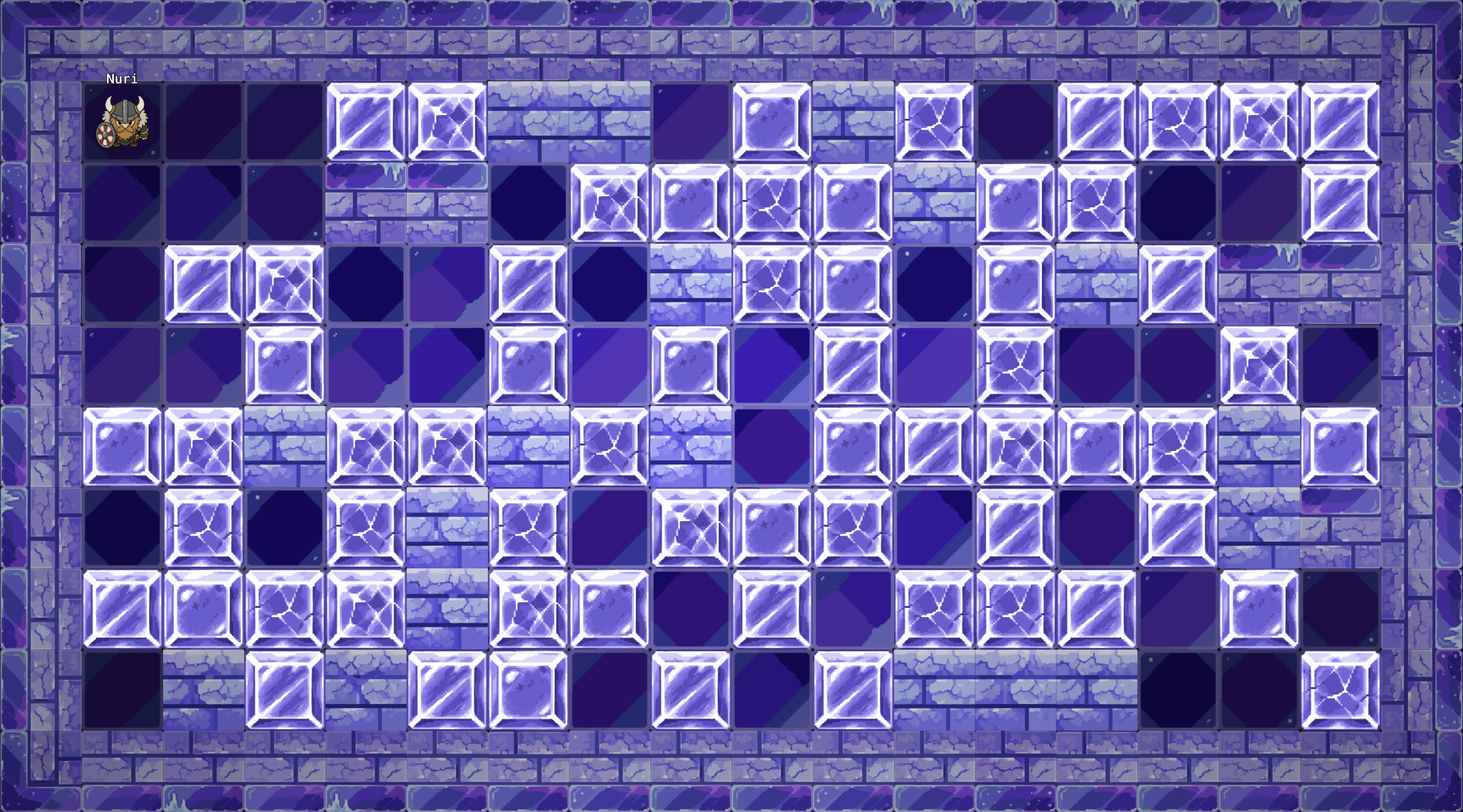
Ice underfoot keeps you sliding past where you meant to stop. Every movement becomes a small physics problem, and overshooting into your own blast is a rite of passage. Average match: 2 to 4 minutes of mostly self-inflicted chaos. Best for: groups that want maximum laughs, since this is the party favourite.
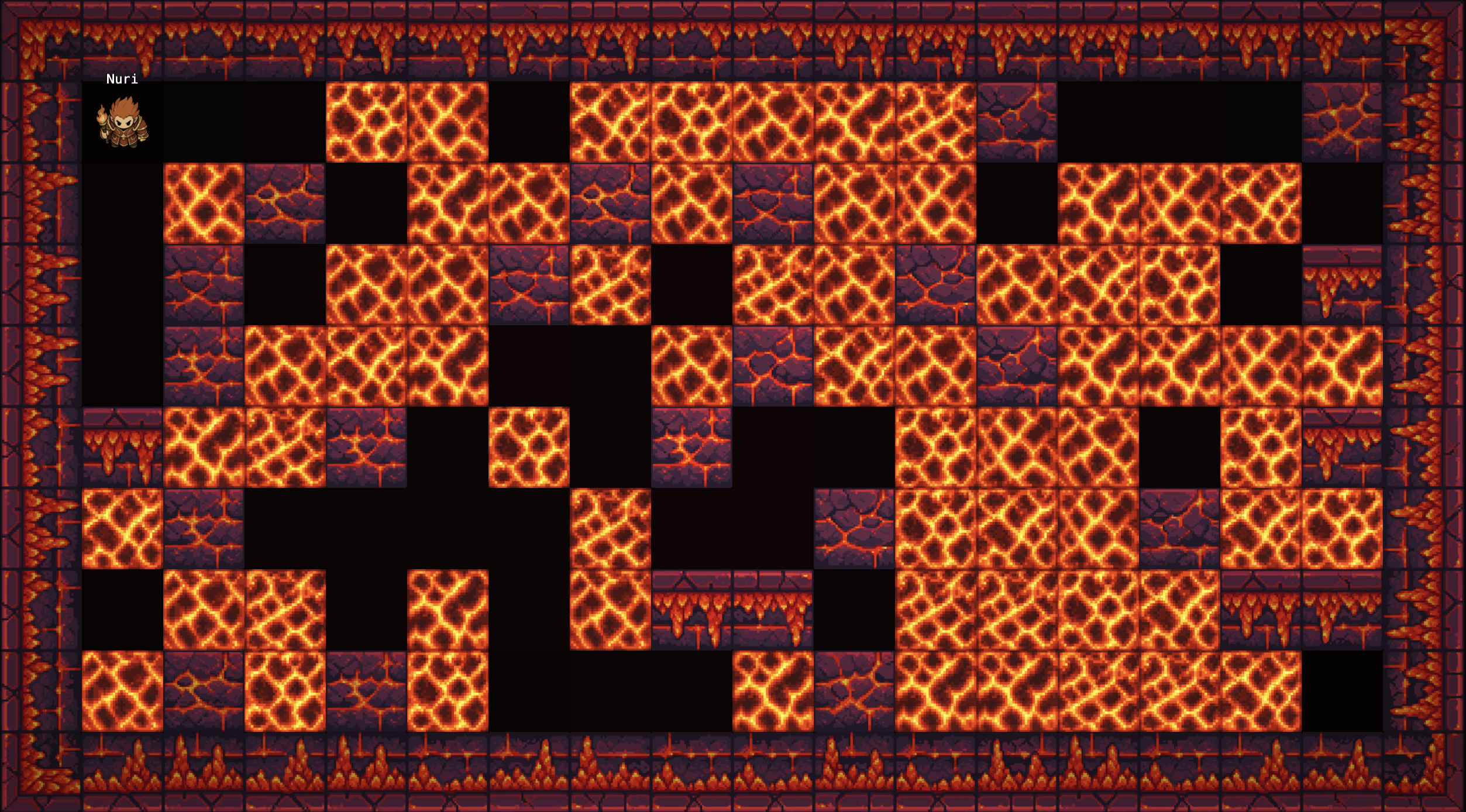
Molten crates behind cooled volcanic walls, in an arena that does fight back: partway through the round its outer ring flashes red, and seconds later that ring IS the wall. Everything on it goes: crates, power-ups, anyone still standing there. The old wall drops off the map behind it, so the arena is simply smaller than it was — same walls, same corners, less room. Then it happens again every twelve seconds, and it keeps happening: the long sides go on closing after the short ones have stopped, so a wide arena ends up a small square box with the last few players in it. The arena will never seal you away from the fight: if a step would cut the survivors off from each other, a wall opens instead. Average match: 3 to 4 minutes with a full lobby, and it rarely goes to the timer. Best for: groups tired of standoffs, because this arena ends them for you.
Weathered stone walls disappearing under orange ivy, and a wind that does not leave your bombs where you put them. Every ten seconds it picks up hard, and every live bomb on the board slides one tile with it — enough to take a bomb off the crate you aimed it at, to blow one around a corner into a corridor you thought was safe, or to send the bomb you just planted after you down your own escape route. You always know which way it is coming: the leaves drift that way the whole time and blow hard for two full seconds before the bombs move, so where your bomb is going is information, not a surprise. A body blocks a bomb the wind is pushing, so you can plant yourself in its way and pin it — standing next to a lit bomb to do it. Walls, crates and other bombs stop one too. Average match: 3 to 4 minutes with a full lobby. Best for: players who want the fair fight of Classic with one thing on the board that will not hold still.
Which Mode Should You Start With?
Start with Classic until the controls and power-ups feel automatic, and it's the fairest arena to learn in. Move to Frozen when your group wants comedy, Dungeon when it wants tension, and Inferno when it wants a timer with teeth. Whatever you pick, it's all free and instant in the browser with nothing to download.